
How Do Urban Trees Handle Air and Soil Pollution?
As our local cities and suburbs expand, environmental contamination poses significant challenges to human health and the balance of ecosystems. Concrete jungles continue to develop, and industrial activities intensify, prompting a natural solution to emerge. The remarkable ability of woody vegetation to combat environmental degradation represents one of nature’s most sophisticated and efficient biological systems, operating silently yet powerfully to transform the quality of life for millions of urban dwellers worldwide.
From filtering harmful pollutants to stabilizing contaminated soil, urban trees are unsung heroes in the fight for cleaner, healthier cities. Let’s explore how trees combat pollution, the science behind their benefits, and why maintaining urban forests is essential for sustainability.
The Role of Urban Trees in Air Purification
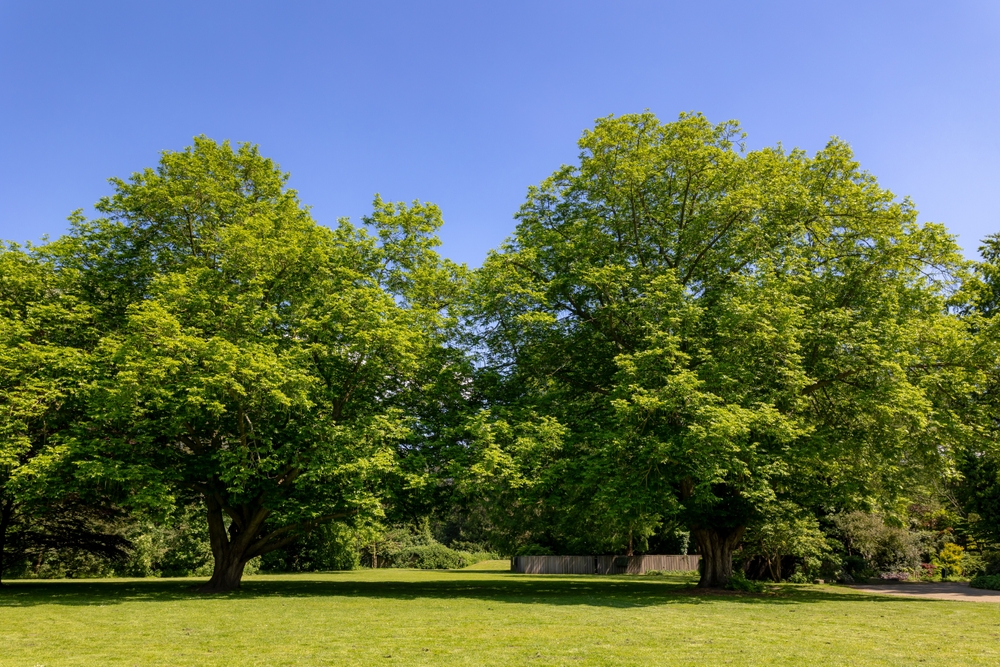
Trees act as natural air filters, absorbing harmful gases and trapping particulate matter (a mixture of tiny solid particles and liquid droplets suspended in the air, on their leaves and bark). Through a process called phytoremediation, they take in air pollutants such as nitrogen dioxide, sulfur dioxide, and carbon monoxide, converting them into less harmful substances. This natural air purification system is vital for improving urban air quality. The U.S. Forest Service indicates that urban trees remove an estimated 711,000 tons of air pollution annually in the U.S. alone. This includes ozone, particulate matter, and other hazardous compounds that contribute to the development of respiratory diseases. The larger and leafier the tree, the more pollution it can capture, making mature urban trees especially valuable for their environmental benefits.

How Trees Combat Air Pollution in Cities
Urban areas are hotspots for air pollution due to vehicle emissions, industrial activity, and construction. Trees help by:
- Absorbs gas pollutants through its leaves.
- Capturing particulate matter can reduce respiratory issues.
- Releasing oxygen, which improves overall air quality.
A single mature tree can absorb up to 48 pounds of carbon dioxide per year, while also filtering out sulfur dioxide and nitrogen oxides—key components of smog. Additionally, trees reduce wind speeds, allowing dust and other airborne particles to settle rather than remain suspended in the air. These intricate natural processes operate continuously throughout day and night cycles, providing consistent round-the-clock environmental protection without requiring any external energy sources, mechanical maintenance, or human intervention whatsoever.
The Impact of an Urban Forest on Pollution Removal
An urban forest, a collection of trees within a city, plays a massive role in pollution control. These forests:
- Reduce the urban heat island effect by providing shade and cooling the air.
- Lower levels of ozone and other harmful pollutants.
- Improve climate resilience by absorbing excess carbon dioxide.
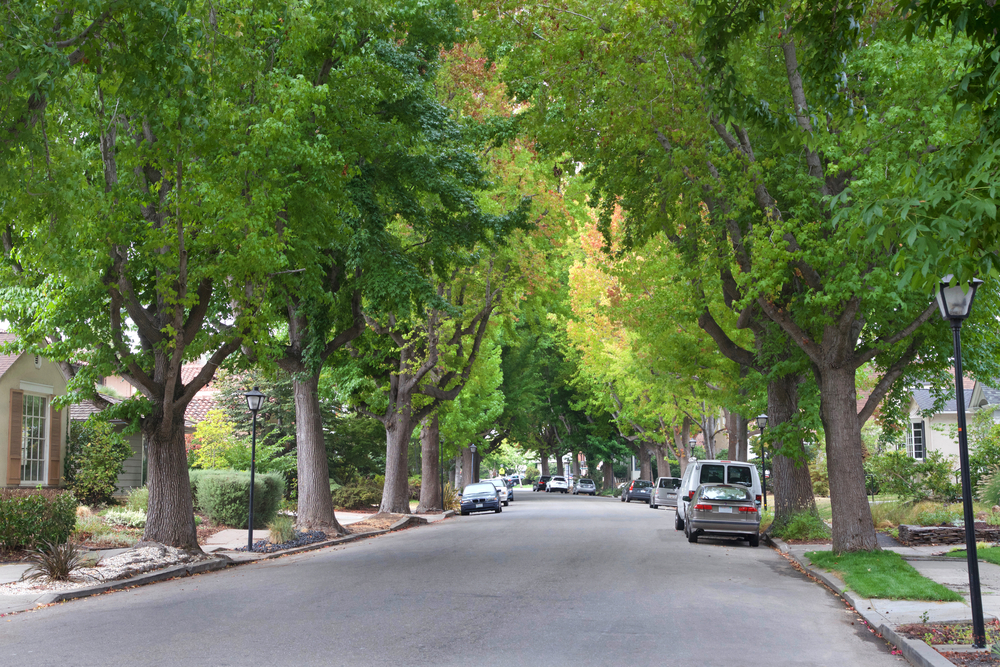
Studies show that urban forests in the U.S. can remove up to 35,000 tons of particulate matter annually, preventing thousands of cases of asthma and other respiratory illnesses. Cities with robust tree canopies experience measurably better air quality than those with less vegetation.
How Soil Pollution Affects Urban Trees
While trees help clean the air, they also interact with polluted soil. Contaminants like heavy metals, road salt, and petroleum byproducts can stress trees, reducing their growth and lifespan. However, some tree species can tolerate or even extract soil pollutants, making them valuable for urban green spaces.
For example, willow and poplar trees are known for their ability to absorb heavy metals from the soil, a process called phytostabilization. Meanwhile, deep-rooted species like oaks help prevent soil erosion, reducing the spread of contaminated sediments.
Best Tree Species for Fighting Urban Pollution
Not all trees are equally effective at handling pollution. Some of the best species for urban environments include:
- London Plane Tree – Excellent at trapping particulate matter.
- Oak Trees – Strong air pollutant absorbers with deep root systems.
- Pine Trees – Effective at filtering gaseous pollutants year-round.
- Ginkgo Biloba – Highly resistant to urban pollution and pests.
Choosing the right species ensures maximum pollution removal and urban sustainability. Cities like Chicago and Toronto have implemented “right tree, right place” policies to optimize pollution reduction based on local conditions.
The Connection Between Urban Trees and Air Quality
Healthy urban trees directly improve air quality by:
- Reducing levels of nitrogen oxides and volatile organic compounds (VOCs).
- Lowering temperatures decreases ozone formation.
- Providing cleaner, fresher air for city residents.
Studies have shown that neighborhoods with 30% tree cover had significantly lower levels of nitrogen dioxide compared to those with minimal greenery. Trees also release phytoncides, natural compounds that further purify the air and may even boost human immune function.
How Urban Green Spaces Reduce Heat Islands
Metropolitan areas consistently experience significantly elevated temperatures compared to surrounding rural regions, creating a well-documented phenomenon known scientifically as the heat island effect.
Extensive natural canopy coverage provides essential cooling services that effectively counteract temperature elevation through evapotranspiration and direct shading. This natural cooling effect prevents the dangerous concentration of contaminants in the atmosphere that frequently occurs in overheated urban environments.
Canopy systems can reduce energy consumption for air conditioning by 20-30% in surrounding buildings, while also enhancing outdoor comfort levels that encourage walking and cycling over the use of vehicles.
The Long-Term Benefits of Mature Urban Trees
Mature trees offer greater pollution-fighting benefits than younger ones. They:
- Capture more particulate matter due to larger leaf surfaces.
- Store more carbon, helping mitigate climate change.
- Provide long-term sustainability benefits for future generations.
A single, mature tree can catch 1,400 gallons of rainwater annually, reducing urban runoff pollution. Additionally, older trees support biodiversity by providing habitats for birds, insects, and other wildlife.
Challenges Facing Urban Trees in Polluted Environments
Despite their many benefits, trees can struggle to survive in polluted environments due to several key challenges. One major issue is compacted and contaminated soil, which restricts root growth and limits access to essential nutrients and water.
Drought stress is another common problem. In 2024, Columbus experienced the third driest summer since the late 1800s. Droughts are caused by resistant surfaces, such as concrete and asphalt, that prevent rainwater from reaching tree roots and damage from winter chemicals and vehicle pollutants.
How You Can Help Urban Trees Fight Pollution
Everyone can take steps to support urban trees and enhance their ability to combat pollution. One of the most impactful actions is supporting local tree-planting initiatives, which help expand urban forests and improve air quality. Advocating for policies that protect and preserve urban green spaces is another effective way to make a difference.
On a personal level, proper tree maintenance on private property, such as watering young trees, avoiding root damage during construction, and reporting illegal tree removals, can significantly contribute to the health of urban trees. Many cities even offer free tree-planting programs for residents, making it easy for individuals to participate in greening their communities. Small, consistent efforts from citizens can lead to healthier, more resilient urban forests for future generations.